Eastside & Beltline, Atlanta

Pick your Pocket (of Atlanta)
-
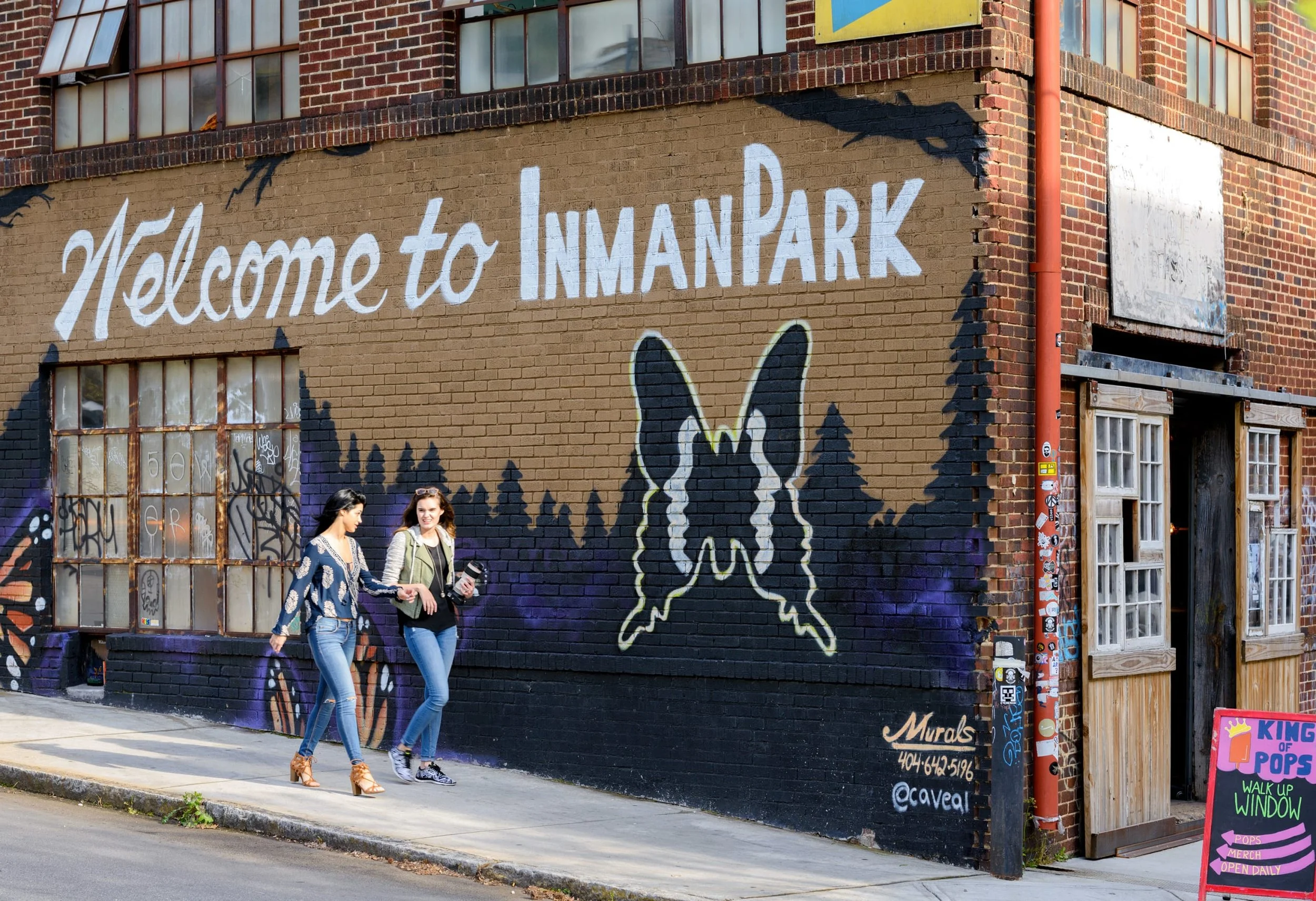
Inman Park
Restaurants worth crossing town for, a real community feel, and BeltLine energy right outside your door. Atlanta's original planned suburb, still very much the life of the party.
-
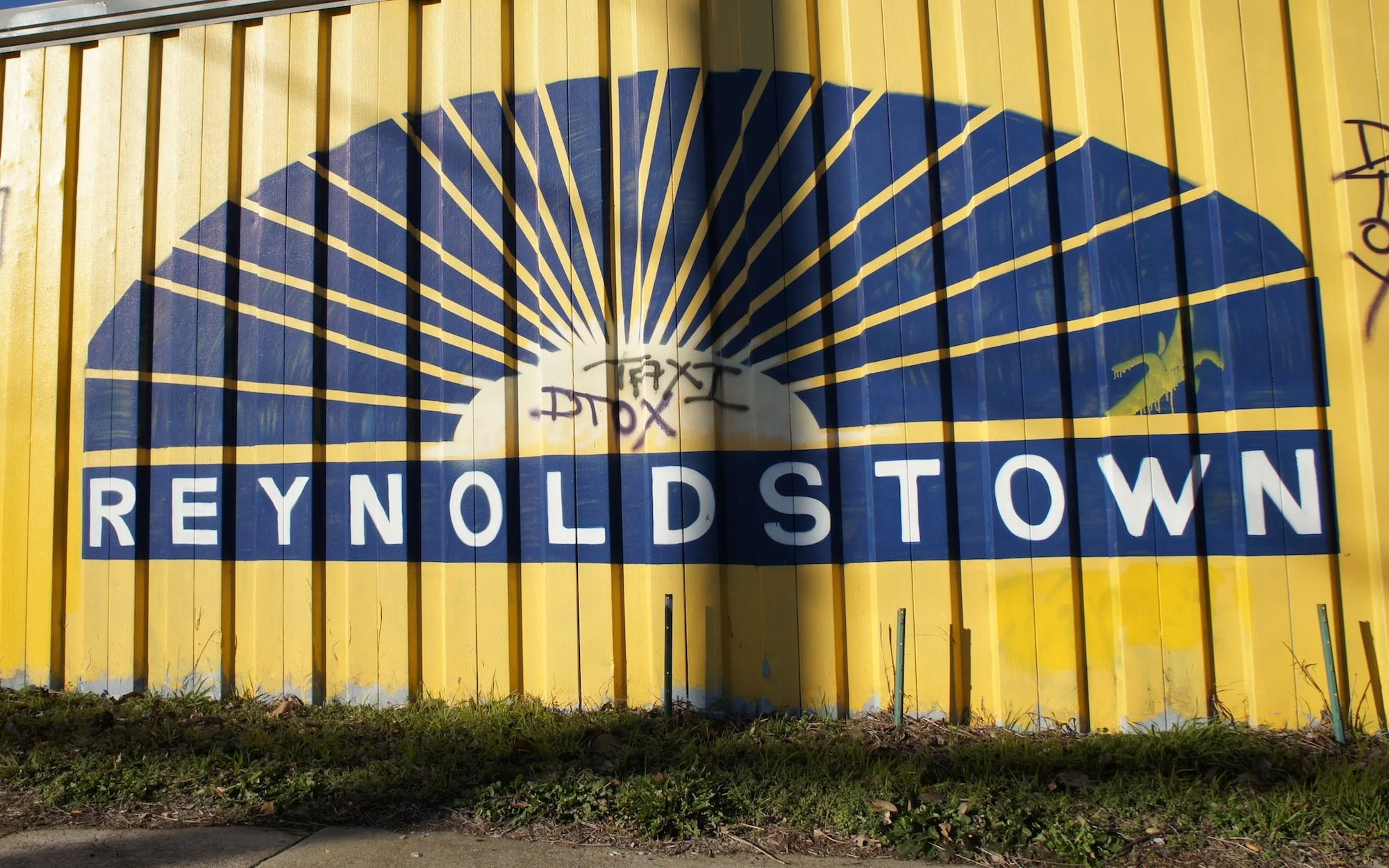
Reynoldstown
Deep community roots, a straight shot to the BeltLine, and a restaurant scene that keeps growing. History and momentum, sharing the same zip code.
-

Cabbagetown
Mill cottages, murals on every wall, and a personality nobody else in Atlanta has managed to copy. Compact space, uncompromising character.
-
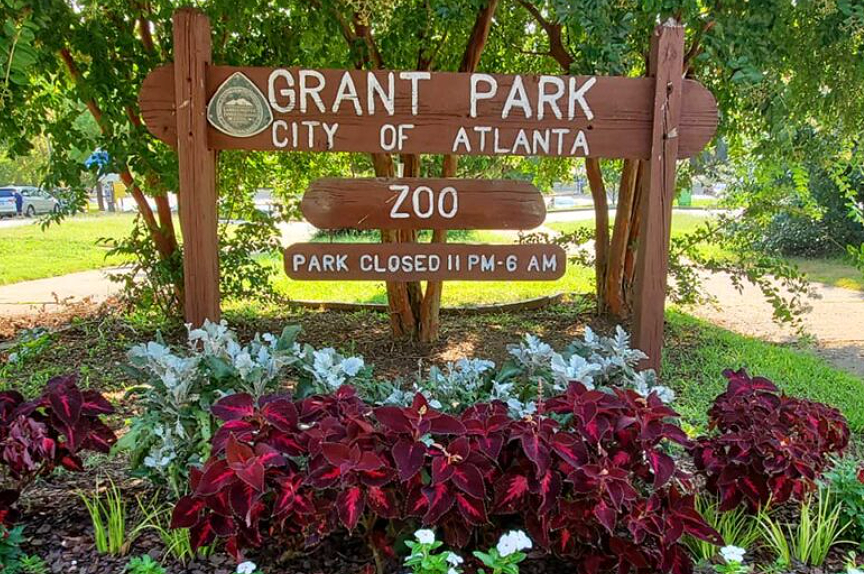
Grant Park
Victorian porches, a zoo next door, and a park big enough to have an afternoon escape. The neighborhood everyone seems to want a piece of.
-
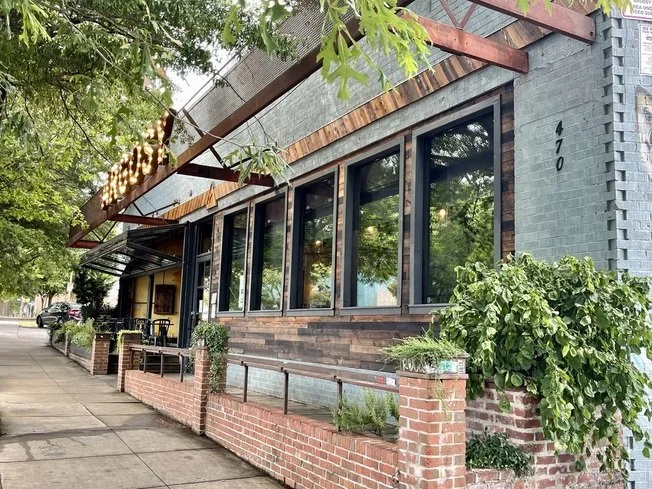
East Atlanta Village
Independent bars, live music, and a whole lot of houses that have never once been called beige. Personality over polish, always.
-
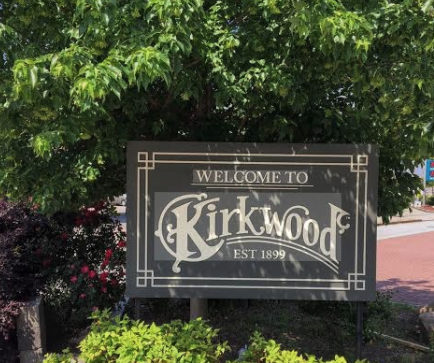
Kirkwood
Budding restaurant scene, a walkable village center, and neighbors who know your name. Community, block by block.
-
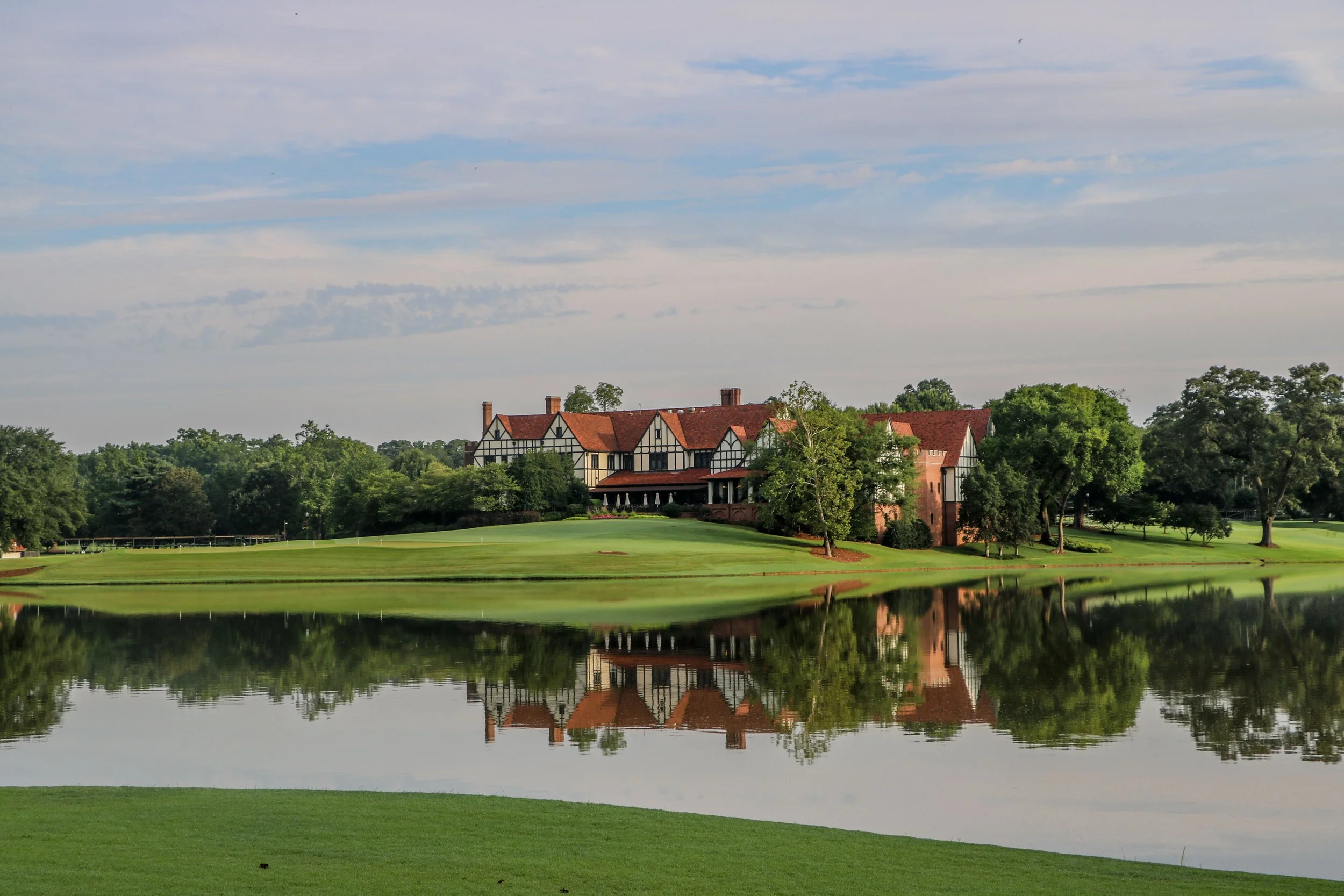
East Lake
Golf-course history, a real neighborhood on the rise, and a straight shot to Decatur. Quietly one of the Eastside's best bets.
-
Ormewood Park
Tree-lined streets, colorful bungalows, and yard space most intown neighborhoods can't touch. One of Atlanta's best-kept secrets, for now.
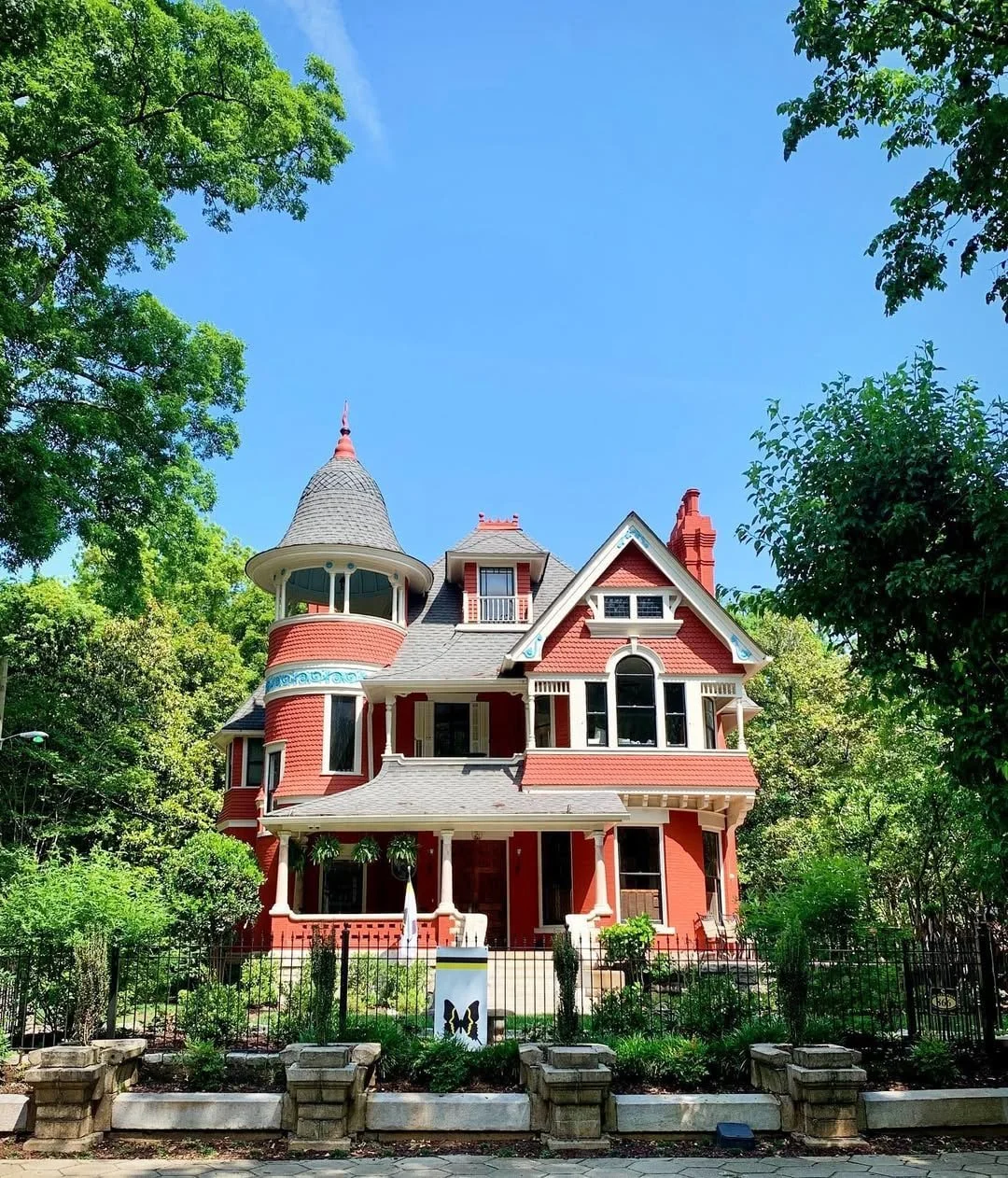
Inman Park
Inman Park at a Glance
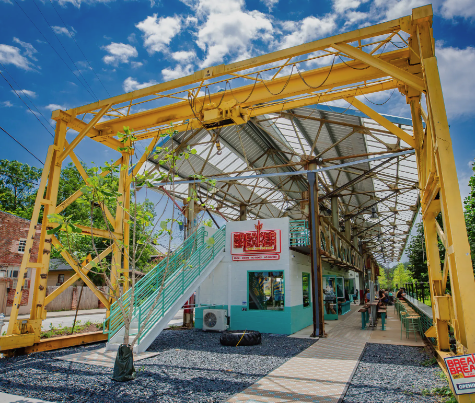
Inman Park is Atlanta's first planned suburb, and it still acts like it. Victorian architecture, direct BeltLine access, Krog Street Market, and its own MARTA station make this one of the few neighborhoods where skipping the car isn't a hassle. It comes with the territory.
Expect ornate Victorians, Craftsman bungalows, duplexes, lofts, condos, and newer infill. You're paying for the location here. Go in knowing about historic-district rules, visitor traffic, and parking that plays hard to get.
A Little Inman Park History
Built in the late 1800s along early streetcar lines, Inman Park is widely credited as Atlanta's first planned residential suburb. Prominent Atlantans built elaborate homes here, then decades of disinvestment and a threatened highway nearly took the neighborhood down before residents fought to save it.
That history is still visible everywhere. Restored mansions sit near old mill buildings and newer construction, and the neighborhood's spring festival celebrates exactly that layered story.
Homes and Streets
Victorians get the attention, but they're only part of the picture. Bungalows, Foursquares, converted industrial spaces, condos, and townhomes round out the mix. Some streets feel grand and quiet, others sit right on top of the BeltLine's energy.
Like its neighboring neighborhoods, the historic homes of Inman Park need a careful look at foundations, roofing, old wiring, and past renovations.
Daily Life and Getting Around
Direct access to the BeltLine Eastside Trail, Krog Street Market, and the Inman Park-Reynoldstown MARTA station means a lot of daily life happens on foot. Freedom Park trails stretch out toward other intown neighborhoods too, for anyone who considers a walk or bike their legitimate form of transportation.
The tradeoff is that everyone else had the same idea. Festival weekends, restaurant crowds, and train noise shift block by block, so the quiet Tuesday showing and the Saturday night reality are two different worlds entirely. But that can also the allure of Inman Park!
Signature Events and Neighborhood Traditions
The Inman Park Festival and Tour of Homes is one of Atlanta's best-known spring events. Art, music, a parade, and historic home tours fill the streets. If you live near the route, plan to move your car early, get your lawn chairs out and be ready for a steady stream of passerby-ers.
Schools That Generally Serve Inman Park
Most addresses feed Mary Lin Elementary, David T. Howard Middle, and Midtown High. As always, verify by exact address since boundaries and program options can shift.
What Buyers Should Know
- Review historic-district rules before planning any exterior work.
- Test parking on evenings and weekends, not just during a quiet showing.
- For condos, dig into budgets, reserves, and rental caps.
- Check noise levels near the BeltLine and festival routes (if that matters to you).
Frequently Asked Questions
Is Inman Park a good place to buy in 2026?
Yes, especially if walkability, architecture, and an active setting matter most to you. It's not the budget-friendly pick or the easy-parking pick.
How walkable is Inman Park?
Very, by Atlanta standards. Restaurants, parks, MARTA, and the BeltLine are all close by.
Are there homes besides Victorians?
Plenty. Bungalows, lofts, condos, townhomes, and new construction all show up here too.
What's the biggest tradeoff?
You're buying access and “do and see”energy along with the home. Parking and noise vary a lot, so the exact block really matters.
Last updated September 2026. Verify property details, schools, taxes, zoning, transportation, and permits independently.
Thinking about buying or selling in Inman Park?
Reynoldstown
Reynoldstown at a Glance
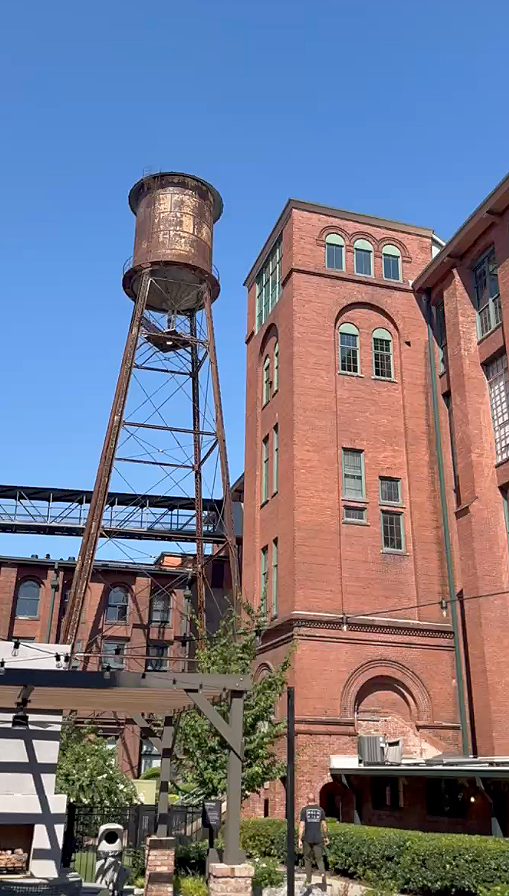
Reynoldstown pairs real history with some of the eastside's most visible growth, small historic cottages sitting right alongside new townhomes and modern infill. The BeltLine runs through it, but this neighborhood was never just a trail with expensive coffee attached.
Location is the big draw: Cabbagetown, Grant Park, Glenwood Park, Inman Park, and downtown are all close by. Housing variety means there's genuine range here, though the experience really does shift from one block to the next, worth a proper walk-through before you decide which Reynoldstown you're buying into.
A Little Reynoldstown History
Reynoldstown took shape after the Civil War as one of Atlanta's earliest Black neighborhoods, with many residents working nearby rail lines and industries. Churches, businesses, and civic institutions built here anchored community life for generations, and that legacy still shapes the neighborhood's identity today.
Rail corridors, urban renewal, and later reinvestment all left their mark. What's here now, both the historic housing and the newer development near the BeltLine, tells a fuller story than either piece alone.
Homes and Streets
The historic core has modest cottages and narrow-lot homes with real character. Newer construction adds multi-level townhomes and modern layouts, giving buyers a genuine choice between charm and convenience rather than settling for one or the other.
Older homes deserve a look at foundations and wiring. Newer builds are worth checking for drainage and grading. Either way, the payoff is a walkable, well-located neighborhood that's still figuring out its next chapter, which for the right buyer is half the appeal.
Daily Life and Getting Around
The BeltLine, Memorial Drive businesses, and the Inman Park-Reynoldstown MARTA station put a lot within easy reach. Cabbagetown, Krog Street Market, and Glenwood Park all round out the options without requiring much of a drive.
Rail crossings and construction can complicate a route here and there, so it's worth testing the actual commute. Most residents find the tradeoff more than fair given how much sits within walking distance.
Signature Events and Neighborhood Traditions
The Reynoldstown Wheelbarrow Festival brings music, food, and vendors out for a neighborhood celebration with real roots in local labor history, not just another excuse to close a street. BeltLine events and nearby lantern parades add even more reason to be outside come festival season.
Schools That Generally Serve Reynoldstown
Most addresses feed Burgess-Peterson Academy, Martin Luther King Jr. Middle, and Maynard Holbrook Jackson High. Properties near zone edges are worth double-checking through the APS School Finder.
What Buyers Should Know
- Visit during peak traffic and on a busy weekend to get a real feel for the block.
- Check for rail, interstate, and construction noise from the specific address.
- Review drainage carefully on infill lots.
- For townhomes and condos, dig into association finances and rental rules.
- Confirm parking fits your actual vehicle, not a hypothetical one.
Frequently Asked Questions
Is Reynoldstown a good place to buy in 2026?
Yes, especially for buyers who value BeltLine access and housing variety. The best property really does come down to the block, not the neighborhood name alone.
Is Reynoldstown walkable?
Many sections are, especially near the BeltLine and commercial spots. A few blocks take a bit more navigating around rail infrastructure.
What kinds of homes are available?
Historic cottages, renovated homes, contemporary infill, and townhomes, real range for buyers who want options.
What's changing in Reynoldstown?
Development near Memorial Drive and the BeltLine keeps adding housing and businesses, which is good news for anyone who likes watching a neighborhood come into its own.
Last updated September 2026. Verify property details, schools, taxes, zoning, transportation, and permits independently.
Thinking about buying or selling in Reynoldstown?
Cabbagetown
Cabbagetown at a Glance
Cabbagetown is compact, colorful, and impossible to mistake for anywhere else in Atlanta. Narrow streets, mill cottages, murals on every other wall, and the old Fulton Bag and Cotton Mills looming over it all. This is a neighborhood with real texture, not a manufactured version of charm.
It's close to the BeltLine, Krog Street Tunnel, Oakland Cemetery, and Grant Park. Space and parking take some negotiating here, and most residents will tell you that's a fair trade for a place with this much personality.
A Little Cabbagetown History
The neighborhood grew up around the Fulton Bag and Cotton Mills in the late 1800s, with small houses built for mill workers just steps from the factory. Generations of residents built a tight-knit community here with its own distinct identity.
The mill closed decades ago and became The Stacks, a loft conversion that's now part of the neighborhood's story rather than a replacement for it. The historic district designation has kept the original scale and character intact even as the area's grown in popularity.
Homes and Streets
Classic Cabbagetown means narrow-lot cottages, shotgun-influenced layouts, and porches close to the sidewalk. Renovations can be genuinely beautiful, and compact footprints mean thinking honestly about closets and workspace before you fall for the curb appeal.
The Stacks adds a different option entirely: industrial lofts with brick walls, tall ceilings, and dramatic common areas. Cottage buyers should look closely at foundations and drainage, and loft buyers should dig into the HOA finances before making an offer.
Daily Life and Getting Around
This is one of the most walkable pockets of Atlanta, full stop. Carroll Street restaurants, neighborhood parks, murals, and BeltLine access are all within a few minutes on foot. Krog Street Market and Memorial Drive destinations aren't far either.
Streets are narrow and parking is limited, so it's worth walking the block after dark and on a weekend before deciding. Most people find the tradeoff worth it for a neighborhood this walkable and this alive.
Signature Events and Neighborhood Traditions
Chomp & Stomp is Cabbagetown's marquee event: a chili cook-off, bluegrass music, a 5K, and a genuinely good neighborhood turnout every fall. Forward Warrior adds another tradition, with muralists adding new work to the neighborhood's walls each year. Between the two, there's rarely a dull season here.
Schools That Generally Serve Cabbagetown
Most addresses feed Parkside Elementary, Martin Luther King Jr. Middle, and Maynard Holbrook Jackson High. As always, verify through the APS School Finder for the exact address, especially near zone boundaries.
What Buyers Should Know
- Measure rooms and outdoor space in person rather than trusting wide-angle photos.
- Check historic-district rules before planning any exterior changes.
- Inspect water management closely given how compact the lots are.
- Review shared driveways and property lines carefully.
- For The Stacks, do a full HOA and insurance review before making an offer.
Frequently Asked Questions
Is Cabbagetown a good place to buy in 2026?
Yes, especially for buyers drawn to distinctive architecture and public art. Yards and parking run smaller here, a fair tradeoff for the character.
Is Cabbagetown walkable?
Very. The neighborhood itself is compact, and the BeltLine, restaurants, and parks are all close by.
Are Cabbagetown homes small?
Many original cottages are, though renovations vary. Usable layout matters more here than square footage alone.
What's the biggest practical issue?
Space and parking. Worth testing against real life, guests, groceries, pets, before deciding it's a dealbreaker.
Last updated September 2026. Verify property details, schools, taxes, zoning, transportation, and permits independently.
Thinking about buying or selling in Cabbagetown?
Grant park
Grant Park at a Glance
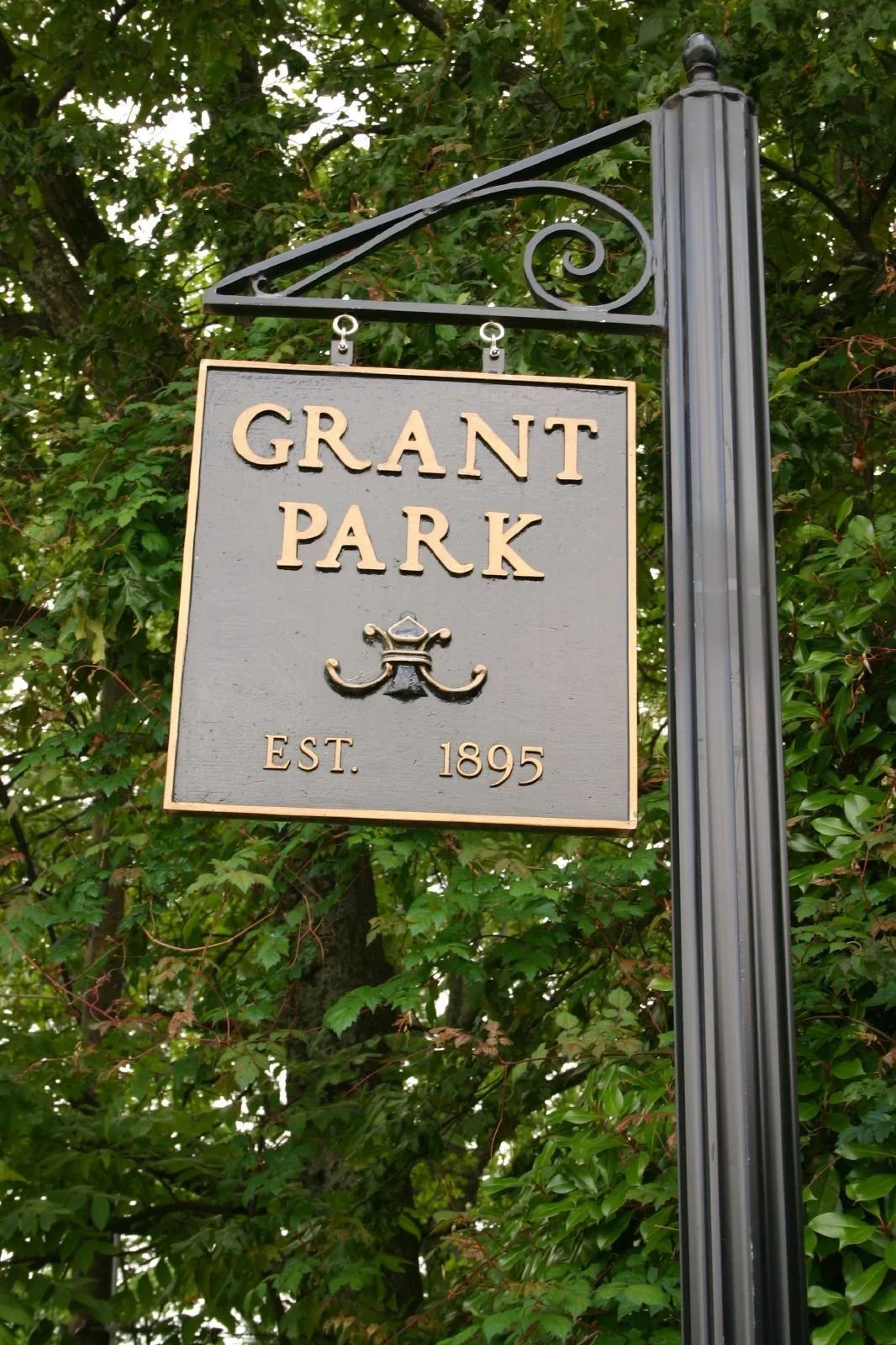
Grant Park is one of Atlanta's largest historic districts, anchored by the park itself, Zoo Atlanta, and blocks of genuine Victorian character. It sits just southeast of downtown, close to Summerhill, Cabbagetown, and Ormewood Park.
Porches, old trees, a real zoo next door; this is a neighborhood that earns a slow walk. Buyers come for the character and the location, and quickly learn that one block can look and feel very different from the next.
A Little Grant Park History
The neighborhood takes its name from Lemuel P. Grant, a railroad engineer who donated the land for the park back in the 1880s. Residential development followed close behind, and the park later became home to what's now Zoo Atlanta.
Victorian cottages, Queen Anne houses, and early Craftsman bungalows reflect that first wave of growth. Interstate construction and years of disinvestment took a toll in the twentieth century, but neighborhood organizing and preservation efforts brought the historic fabric back. What's prevailed is a neighborhood that's earned its charm.
Homes and Streets
Expect everything from modest cottages and bungalows to elaborate Victorians, plus renovated historic homes, duplexes, and some newer infill. Lots and setbacks vary block to block, and proximity to the park, the BeltLine, or the interstate can shape daily life more than the house itself does.
Older homes are worth a close look at foundations, roofs, and any past additions. Historic-district rules shape what you can change on the exterior, so it's smart to know the boundaries before you start planning a renovation in your head during the showing.
Daily Life and Getting Around
The park itself is the centerpiece: walking paths, mature trees, and Zoo Atlanta right there. The BeltLine Southside Trail, The Beacon, and a solid lineup of local restaurants round out the options without requiring much of a drive.
Sections near the park and neighborhood businesses are genuinely walkable. Elsewhere, a car still comes in handy, and it's worth testing routes around I-20 and Boulevard during a normal weekday. Most residents will say the payoff, a real park at the center of daily life, is worth the occasional detour.
Signature Events and Neighborhood Traditions
The Grant Park Candlelight Tour of Homes gives you an inside look at the neighborhood's best historic interiors, while the Summer Shade Festival fills the park with music, art, and food each year. Between the two, it's a neighborhood that knows how to show up for itself.
Schools That Generally Serve Grant Park
Most addresses feed Parkside Elementary, Martin Luther King Jr. Middle, and Maynard Holbrook Jackson High. Boundaries shift near the edges, so confirm the exact assignment through the APS School Zone Locator.
What Buyers Should Know
- Confirm historic-district rules before planning any exterior changes.
- Inspect older systems, drainage, and past renovations closely.
- Compare blocks for interstate noise and event-day traffic near the park.
- Verify permits on any additions or finished lower levels.
- Check school assignments by the exact address.
Frequently Asked Questions
Is Grant Park walkable?
Many parts are, especially near the park and Zoo Atlanta. Other blocks sit farther from shops or across busier roads.
What kinds of homes are common?
Victorian cottages, Queen Anne homes, Craftsman bungalows, duplexes, and a mix of renovated historic houses and newer infill.
Does living near the park mean constant event traffic?
Not constant, but festivals and zoo visits pick up parking and traffic on busy weekends. Worth visiting at a few different times before deciding.
What's the biggest draw for buyers?
Resale confidence. Grant Park is one of those neighborhoods everyone seems to want into, historic character, the park, the zoo, real walkability in spots. Buy here and you're not just getting a house you love, you're getting one plenty of future buyers will likely love, too.
Last updated September 2026. Verify property details, schools, taxes, zoning, transportation, and permits independently.
Thinking about buying or selling in Grant Park?
East Atlanta Village
East Atlanta Village at a Glance
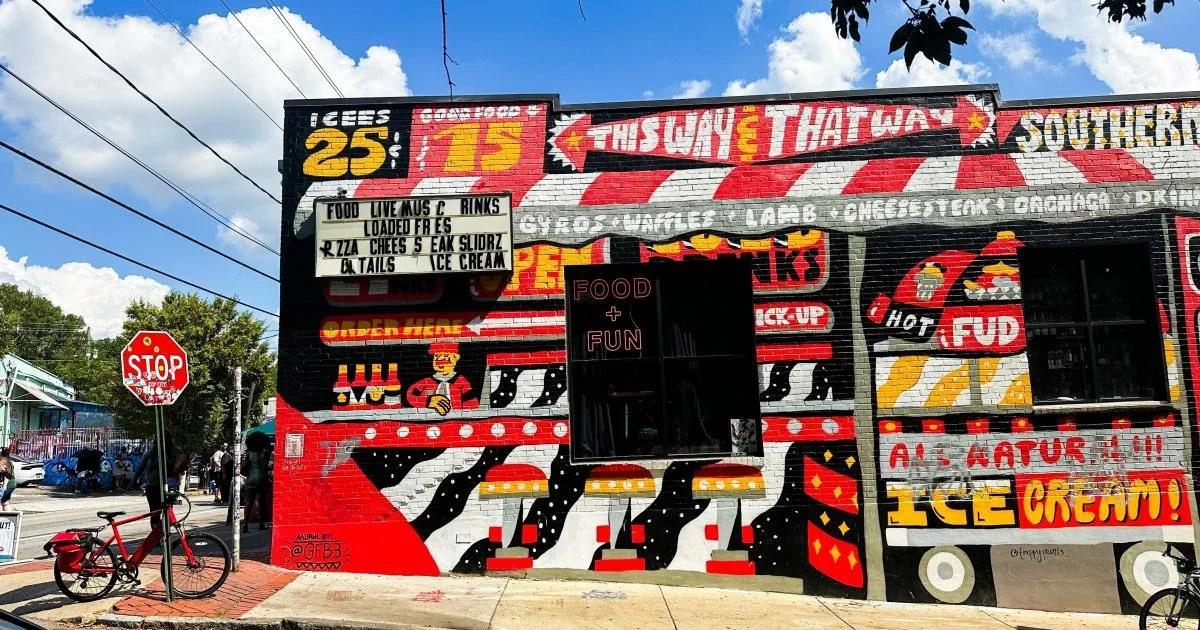
EAV, as everyone calls it, pairs a small but mighty commercial strip with streets full of bungalows, cottages, and the occasional house painted a color that raises eyebrows (in a good way). Restaurants, bars, live music, murals—this neighborhood has never once tried to blend in.
The broader East Atlanta area stretches well beyond the village itself, so "EAV" in a listing doesn't always mean a five-minute walk to dinner. Worth checking the actual distance before you fall for the name alone.
A Little East Atlanta History
This is Civil War ground, quite literally, the Battle of Atlanta was fought across parts of what's now East Atlanta and its neighbors back in 1864. Residential streets filled in decades later as streetcar lines and roads pushed the city outward.
Most of the housing here dates to the early-to-mid 1900s, bungalows and cottages, later joined by brick ranches. The village itself went through a rough patch before residents and small business owners brought it back, and that scrappy comeback energy is still very much the neighborhood's personality.
Homes and Streets
Bungalows, cottages, ranches, the occasional renovated gem, and modern infill all show up here, with lot size and street character shifting more than you'd expect for a neighborhood this size.
Older homes deserve the usual careful look, foundations, wiring, plumbing, the works. On renovations, check that the permits match the ambition. A moody black exterior might turn heads, but it won't tell you a thing about the crawlspace.
Daily Life and Getting Around
The village itself is genuinely walkable, restaurants, coffee, live music, and shops all within a few blocks along Flat Shoals and Glenwood. Brownwood Park adds green space, and Glenwood Park and the BeltLine aren't far either.
The closer you are to the village, the more nightlife energy you'll hear on weekends, that's just the trade for being close to the good stuff. Farther out, streets quiet down considerably, so it's worth deciding upfront how much action you actually want at your doorstep.
Signature Events and Neighborhood Traditions
The East Atlanta Strut is the big one, a parade, live music, local vendors, and a level of neighborhood enthusiasm that's hard to fake. It's proof this is a community first and a nightlife destination second, even if the second part gets more attention.
Schools That Generally Serve East Atlanta Village
Most addresses feed Burgess-Peterson Academy, Martin Luther King Jr. Middle, and Maynard Holbrook Jackson High. The neighborhood's spread out enough that boundaries can shift, so confirm through the APS School Zone Locator for the specific address.
What Buyers Should Know
- Compare the actual distance to the village, not just the neighborhood name.
- Get older homes and renovations inspected properly.
- Check sidewalks and safe walking routes if village access matters to you.
- Test I-20 noise levels at different times of day.
- Confirm school assignments by exact address.
Frequently Asked Questions
Is EAV mainly a nightlife neighborhood?
Nightlife gets the headlines, sure. But most of EAV is quiet, residential streets with families, longtime neighbors, and a genuine sense of community that doesn't show up in a bar review.
How walkable is the village itself?
Very, it's built for wandering between dinner, a show, and a nightcap without ever needing your car keys.
What kind of buyer does well here?
Someone who wants personality over polish. EAV isn't trying to be Virginia-Highland, and it would probably take that as a compliment.
Is it a good long-term investment?
The energy here has staying power, it's one of the few Atlanta neighborhoods that's kept its edge even as it's grown more popular. That kind of consistency tends to hold value well.
Last updated September 2026. Verify property details, schools, taxes, zoning, transportation, and permits independently.
Thinking about buying or selling in East Atlanta Village?
Kirkwood
Kirkwood at a Glance
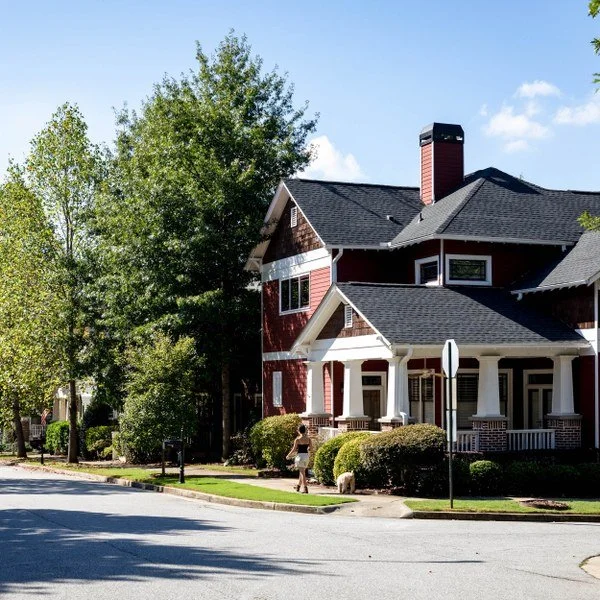
Kirkwood runs on community the way some neighborhoods run on traffic. The village center has real restaurants people actually drive to on purpose, Bessie Branham Park stays busy with something happening most weekends, and neighbors here tend to know each other's names, not just their porches.
Housing mixes historic Craftsman bungalows with newer builds, and the whole neighborhood has a warmth to it that's hard to fake. This is the kind of place where you buy the block as much as the house.
A Little Kirkwood History
Kirkwood started life as its own streetcar suburb in the late 1800s, its own little town before Atlanta folded it in. That early rail access shaped both the housing and the compact village core that's still the neighborhood's heartbeat today.
Like plenty of intown neighborhoods, Kirkwood went through a quiet stretch before residents and local business owners brought the village back with real intention. What exists now feels lived-in rather than developed, restaurants and shops that grew out of actual community need, not a master plan.
Homes and Streets
Bungalows, cottages, American Foursquares, brick ranches, and a fair amount of new construction all sit within a few blocks of each other, giving the neighborhood real texture rather than one repeated look.
Older homes deserve the usual close look, foundations, wiring, plumbing, before the porch talks you into anything. On renovations, ask whether the permits match the ambition. A gorgeous kitchen won't tell you that on its own.
Daily Life and Getting Around
Kirkwood Village has the kind of restaurant lineup that turns a Tuesday into an occasion, and enough regular foot traffic to make errands feel social. Bessie Branham Park anchors the green space, with Oakhurst, East Lake, and Downtown Decatur all a short trip away.
Closer to the village, you'll walk more than you drive. Farther out, things settle into a quieter, more residential rhythm, both versions of Kirkwood have their fans.
Signature Events and Neighborhood Traditions
The Kirkwood Spring Fling and Tour of Homes brings music, food, and a real look inside some of the neighborhood's best houses. Come fall, the Kirkwood Wine Stroll turns local businesses into a laid-back tasting crawl, the kind of event that makes you feel like you know your neighbors a little better by the end of the night.
Schools That Generally Serve Kirkwood
Most addresses feed Fred A. Toomer Elementary, Martin Luther King Jr. Middle, and Maynard Holbrook Jackson High. Homes near the Decatur line deserve extra attention, since a short walk can land you in a different school district entirely, check the APS school finder map.
What Buyers Should Know
Compare blocks carefully, the village energy fades the farther out you go, and that's not a bad thing depending on what you want.
Confirm whether a property is in Atlanta or Decatur, the boundary affects more than you'd think.
Check permits on any additions before assuming the renovation was done right.
Look at drainage and retaining walls on sloped lots.
Test the commute and school traffic at a few different times of day.
Frequently Asked Questions
-Is Kirkwood walkable?
Very, near the village and Bessie Branham Park especially. Farther out, it settles into a quieter, more car-friendly pace.
-What kinds of homes are common?
Bungalows, cottages, Foursquares, ranches, and new construction, genuine variety within a small footprint.
-Is Kirkwood the same as East Lake or Oakhurst?
Neighboring, not interchangeable. Each has its own center of gravity, worth comparing rather than assuming they're all the same deal.
-What's the biggest draw for buyers?
A village that genuinely functions like one, restaurants worth the drive, neighbors who now each other, and a price point that's stayed a little more approachable than some of its intown neighbors.
Last updated September 2026. Verify property details, schools, taxes, zoning, transportation, and permits independently.
Thinking about buying or selling in Kirkwood?
East Lake
East Lake at a Glance
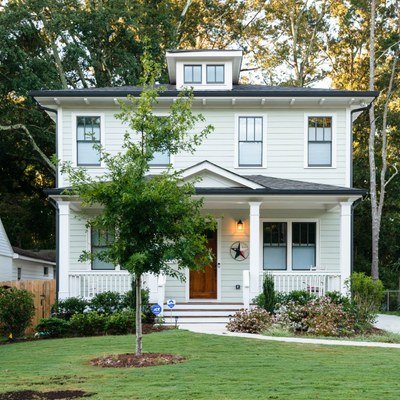
East Lake pairs historic bungalows with a name most people recognize from golf, the East Lake Golf Club has called this neighborhood home since the early 1900s. But daily life here is a lot broader than fairways, tree-lined streets, a real sense of community, and quick access to both Kirkwood and Decatur.
Housing runs from Craftsman cottages to renovated older homes and newer builds, with prices that have stayed a bit more approachable than some of the flashier intown names nearby.
A Little East Lake History
East Lake grew up around a resort community and streetcar development near the turn of the 1900s. The golf club opened not long after and built a lasting connection to golfer Bobby Jones, still a point of neighborhood pride today.
Like a lot of Atlanta's east side, East Lake went through real economic hardship in the twentieth century. What followed was a genuine turnaround, public and private investment rebuilt the former East Lake Meadows site into the Villages of East Lake, bringing mixed-income housing and real community resources with it. That comeback story is part of what makes the neighborhood feel so lived-in today.
Homes and Streets
Bungalows, cottages, brick ranches, renovated older homes, and contemporary infill all show up here, with streets near Kirkwood or Oakhurst feeling a bit more connected to those village centers.
Older homes deserve the usual close look, foundations, wiring, roofs. On renovations, check the permits match the work. A shiny countertop won't tell you what's happening underneath it.
Daily Life and Getting Around
The East Lake MARTA station sits right near the Atlanta-Decatur line, genuinely convenient for parts of the neighborhood. Kirkwood Village, Oakhurst Village, and Downtown Decatur are all close, plenty of good options without a long drive.
Walkability shifts block to block, some streets put you an easy walk from transit and parks, others lean more car-friendly. Worth testing the actual route before deciding.
Signature Events and Neighborhood Traditions
The TOUR Championship at East Lake Golf Club is the neighborhood's biggest annual moment, drawing national attention and a genuine buzz to the area. Smaller park and neighborhood-association events fill out the rest of the calendar with a friendlier, more local energy.
Schools That Generally Serve East Lake
Most City of Atlanta addresses feed Fred A. Toomer Elementary, Martin Luther King Jr. Middle, and Maynard Holbrook Jackson High. Some properties may have access to Charles R. Drew Charter School, though eligibility shouldn't be assumed. Homes over the Decatur line fall under a different district entirely, worth confirming on the APS school finder website before you get attached to a house.
What Buyers Should Know
-Confirm whether the property sits in Atlanta or Decatur, it changes more than you'd think.
-Verify school assignments and any charter eligibility directly with the district.
-Test traffic near Second Avenue and Memorial Drive at a realistic time of day.
-Inspect drainage and foundations on older homes.
-If buying near the golf club, experience tournament week once before assuming it's a non-factor.
Frequently Asked Questions
Is East Lake walkable?
Parts are, especially near MARTA, Kirkwood, and Oakhurst. Other sections lean more car-dependent, so it's worth testing the actual route.
What homes are common in East Lake?
Bungalows, cottages, brick ranches, renovated historic homes, and modern infill, genuine range across price points.
What's the biggest draw for buyers?
A neighborhood on the upswing with real community investment behind it, plus a price point that's held onto more room to grow than some of its flashier neighbors.
Last updated September 2026. Verify property details, schools, taxes, zoning, transportation, and permits independently.
Thinking about buying or selling in East Lake?
Ormewood Park
Ormewood Park at a Glance
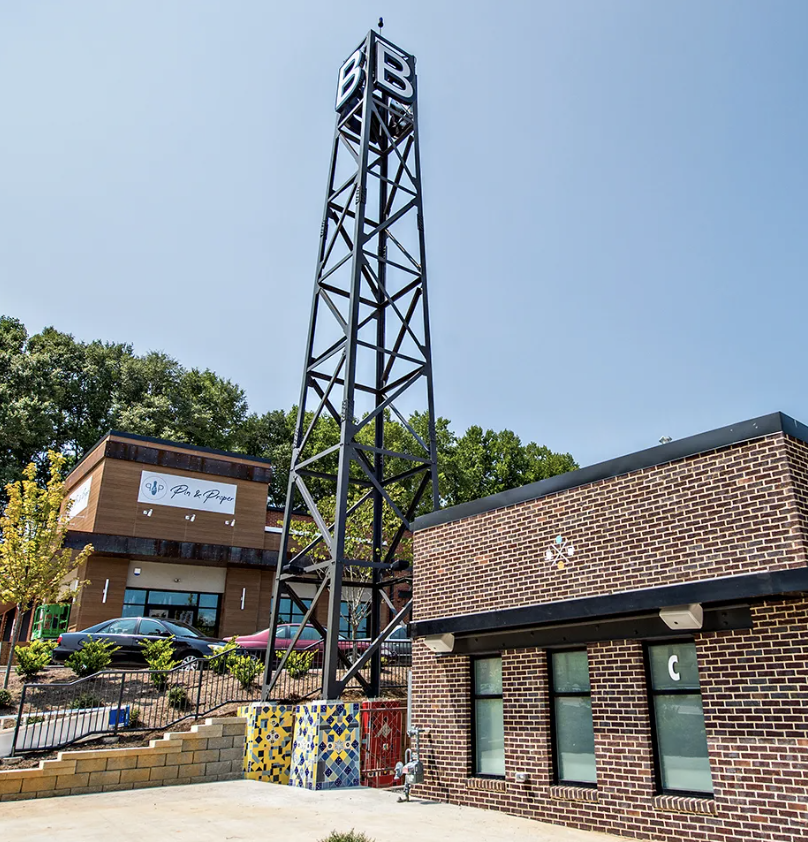
Ormewood Park sits between Grant Park and East Atlanta, and it's spent the last few years quietly becoming one of the city's most-wanted addresses. Tree-lined streets, colorful bungalows, and genuinely generous lot sizes, this neighborhood has room to breathe in a way a lot of intown Atlanta doesn't.
Housing ranges from Craftsman bungalows and Victorians to newer construction and townhomes, with prices that still leave some room compared to its more established neighbors.
A Little Ormewood Park History
The land was farmland, milk and pecans, before a trolley line came through in 1891 and turned it into one of Atlanta's early streetcar suburbs. The neighborhood takes its name from Aquilla J. Orme, an official with the Atlanta Electric Light and Trolley Company who helped bring the rail line here.
A construction boom followed World War I, and some of those original prefab and catalog homes are still standing today. Glenwood Park, now one of the neighborhood's most walkable pockets, was added in the 1990s as a newer subdivision, proof that Ormewood Park has always known how to grow without losing its character.
Homes and Streets
Craftsman bungalows, Victorians, cottages, condos, and townhomes all sit here, often with a lot size noticeably larger than neighboring intown areas, real yard space, not just a porch and a prayer.
Older homes are worth the usual close inspection, foundations, wiring, roofs. On newer builds, check the construction quality and grading. Either way, the extra lot space tends to be the thing buyers fall for first.
Daily Life and Getting Around
The BeltLine runs right along the neighborhood's edge, and Glenwood Park brings a genuinely good cluster of restaurants and shops within easy reach. Ormewood Square and the Bill Kennedy corridor add even more, plus green spaces like Red's Farm and Tapestry Park for anyone who wants grass underfoot.
Walkability is strongest near Glenwood Park and the BeltLine. Farther into the neighborhood's quieter streets, a car comes in handy, though most residents will tell you that trade is worth it for the extra space.
Signature Events and Neighborhood Traditions
The Ormewood Park Makers Festival has quickly become one of the city's better-loved neighborhood events, part arts festival, part crafts fair, all community. It's the kind of event that makes a newer neighbor feel like a regular by the end of the afternoon.
Schools That Generally Serve Ormewood Park
Most addresses fall within Atlanta Public Schools, zoned for Martin Luther King Jr. Middle and Maynard Holbrook Jackson High, which has picked up real attention for its IB program. The neighborhood is also home to a campus of the Atlanta Neighborhood Charter School, worth asking about directly since charter eligibility works differently than standard zoning.
What Buyers Should Know
-Compare lot sizes here to nearby neighborhoods, it's a real point of difference worth asking about upfront.
-Check charter school eligibility directly rather than assuming zoning alone gets you in.
-Inspect older homes for foundation and system updates before falling for the curb appeal.
-Test the walk to Glenwood Park and the BeltLine if daily walkability matters to you.
Frequently Asked Questions
Is Ormewood Park walkable?
Strongest near Glenwood Park and the BeltLine. Quieter interior streets lean a bit more car-friendly.
What kinds of homes are common?
Craftsman bungalows, Victorians, cottages, condos, and townhomes, with lot sizes that run larger than a lot of neighboring intown areas.
What's the biggest draw for buyers?
Space. Real yards, tree-lined streets, and a neighborhood that's still catching up to its own popularity, meaning there's still room to get in before everyone else notices.
Is Ormewood Park the same as Glenwood Park?
Glenwood Park is a subdivision within Ormewood Park, not a separate neighborhood, added in the 1990s and now one of its most walkable pockets.
Last updated September 2026. Verify property details, schools, taxes, zoning, transportation, and permits independently.
Thinking about buying or selling in Ormewood Park?