Decatur & Emory, Atlanta

Pick your Pocket (of Atlanta)
-
Druid Hills
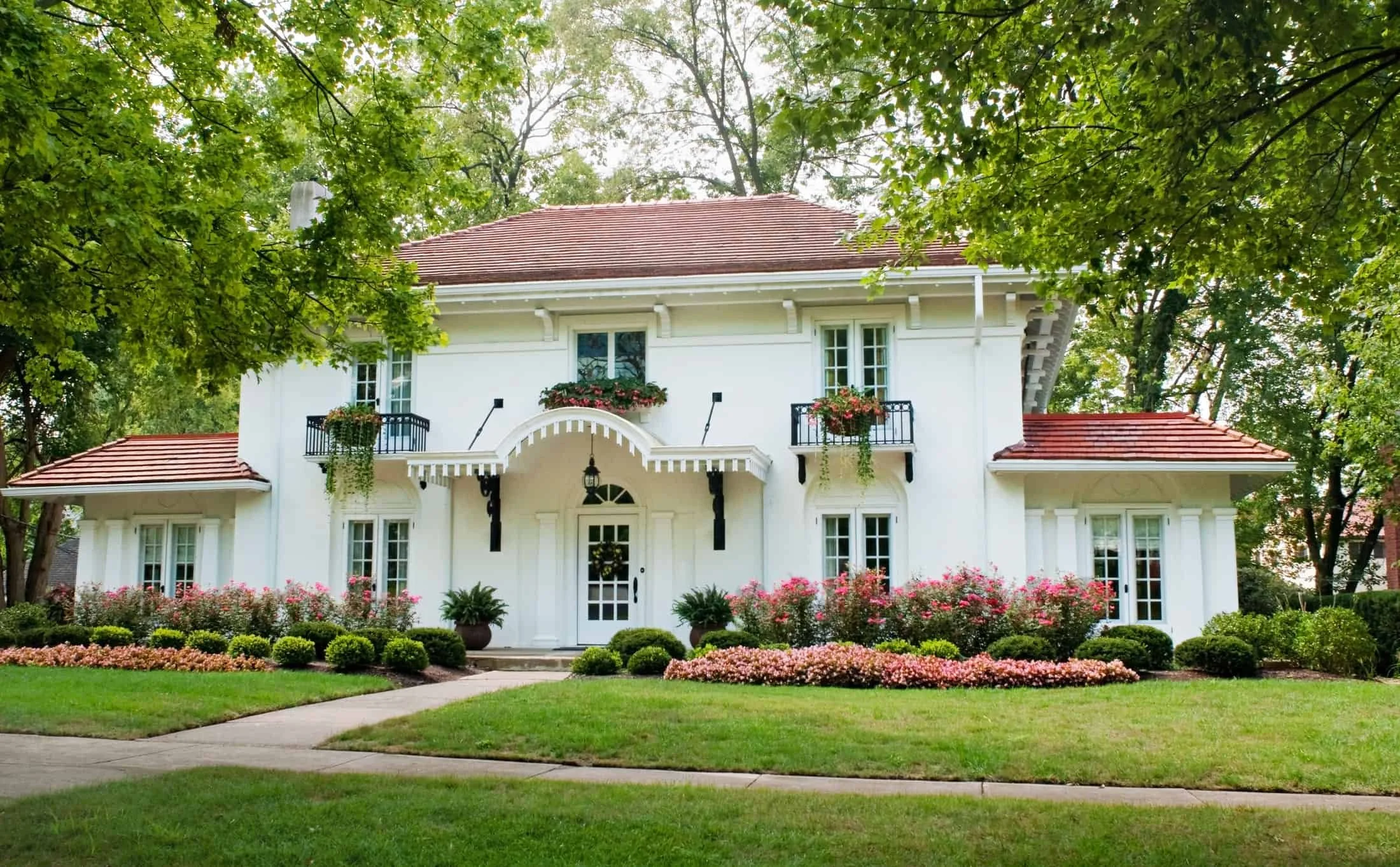
Druid Hills is one of Atlanta's most recognizable neighborhoods, with grand early-1900s estates sitting alongside bungalows, cottages, condos, and townhomes.
-
Decatur
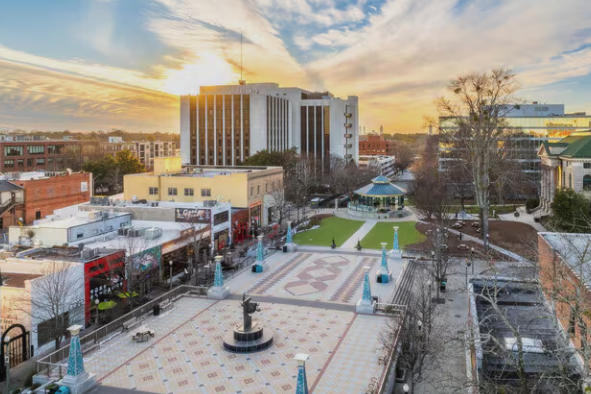
A downtown square that's the real center of daily life, top-tier schools, and a city small enough to know your barista by name. Independent, walkable, and unmistakably itself.
-
North Decatur
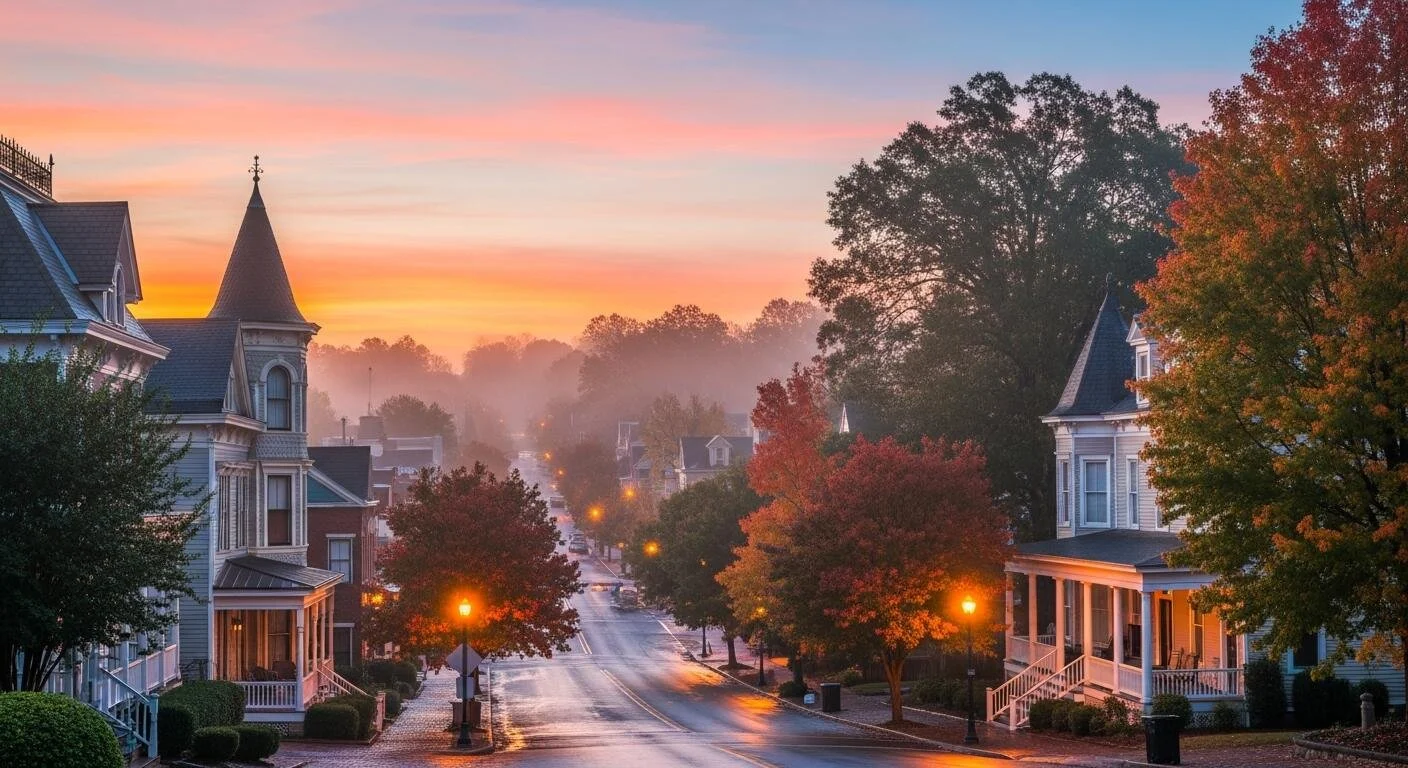
Quiet, established streets with real breathing room, plus Emory and Decatur just a short drive away. Space and access, without the price tag.
-
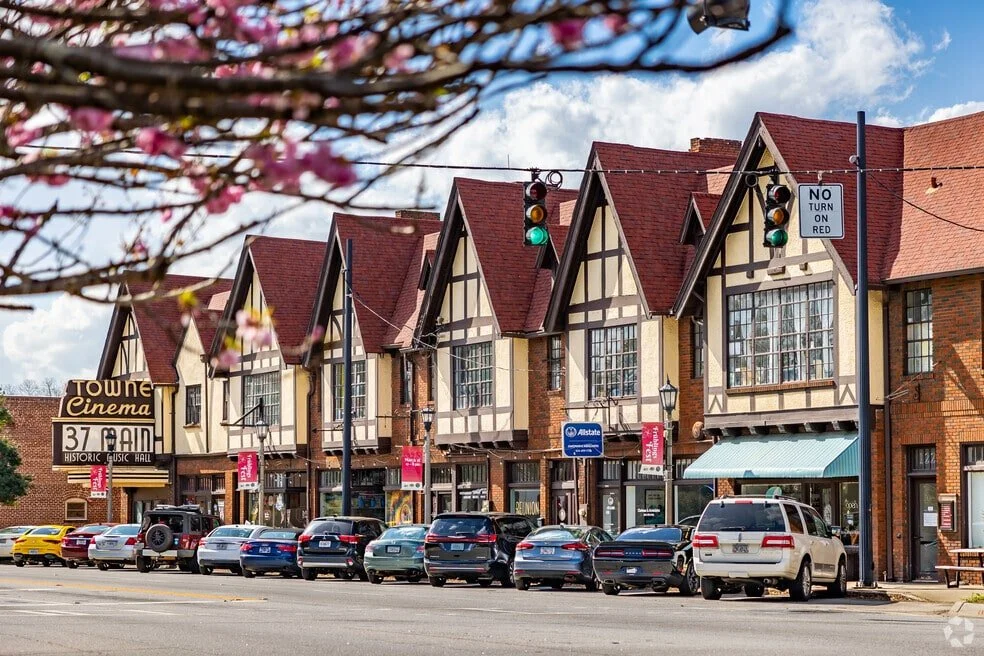
Avondale Estates
A Tudor-style downtown that feels like a storybook village, with a lake, real community, and Decatur just next door.
-
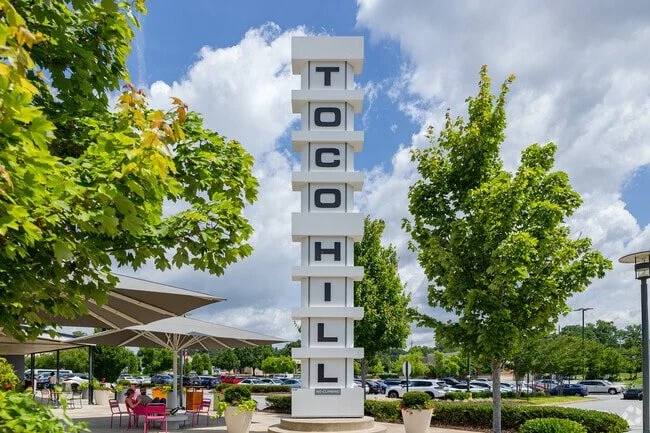
Toco Hills
Wooded lots, real space, and Emory just up the road. Quietly one of the best-kept alternatives to intown living, and Alison's own neighborhood.
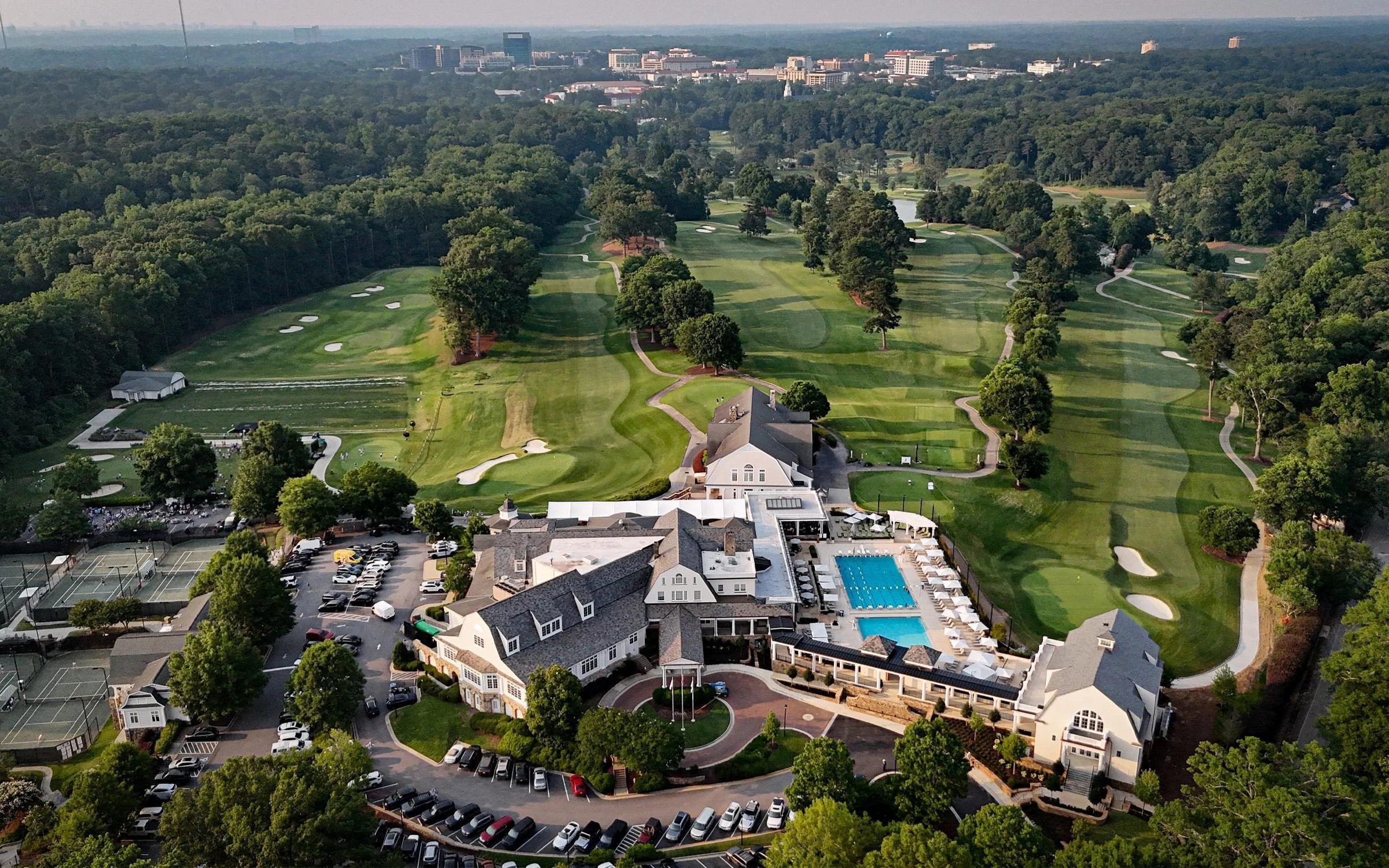
Druid Hills
Druid Hills at a Glance
Curving roads, deep setbacks, and trees old enough to have seen a thing or two. Druid Hills is one of Atlanta's most recognizable neighborhoods, with grand early-1900s estates sitting alongside bungalows, cottages, condos, and townhomes. It feels tucked away without being far from anything, which in this city is a real trick.
The neighborhood surrounds Emory University and the CDC and crosses a few jurisdictional lines, so taxes, services, and schools depend on the exact address. The common thread is a leafy, historic setting with quick access to Decatur, Virginia-Highland, Morningside, and Midtown.
A Little Druid Hills History
Druid Hills began in the late 1800s and early 1900s as one of Atlanta's earliest planned suburbs, and the Olmsted firm shaped the whole layout: curving streets, natural topography, and a string of linear parks along Ponce de Leon Avenue. Nobody was in a hurry here, and that was the point.
Many of the landmark homes went up around World War I, and the Druid Hills Historic District now protects that architecture and landscape. Translation for buyers: exterior projects may need a little more review than a contractor and a Pinterest board can supply, but the payoff is a neighborhood that will still look like itself decades from now.
Homes and Streets
Tudor Revival, Colonial Revival, Georgian, Italian Renaissance, and Craftsman homes sit alongside cottages, mid-century houses, condo communities, and newer infill, often on lots with real breathing room. Size and topography vary a lot, so there's a Druid Hills for a wide range of budgets.
Older homes may come with plaster walls, original windows, slate roofs, and decades of additions worth a careful inspection. They also come with millwork and room proportions that are genuinely hard to reproduce today. If the goal is getting old-house character, there certainly would be no shortage in Druid Hills.
Daily Life and Getting Around
Emory Village, Fernbank Museum, Olmsted Linear Park, the CDC campus, and the restaurants and shops along North Decatur Road are all part of the everyday map. Decatur and Little Five Points are close, and Midtown and Buckhead are reachable without living in either.
Walkability depends on the block. Some addresses put you an easy stroll from Emory Village or the parks, and others are better described as pleasantly driveable. MARTA buses run through the area, though there's no rail station in the heart of it.
Signature Events and Neighborhood Traditions
The Druid Hills Home and Garden Tour offers a peek inside notable residences and landscapes, and events around Olmsted Linear Park celebrate the green space that defines the place. Emory adds lectures, performances, and cultural events nearby. Check the organizers' current calendars for dates, since schedules shift year to year.
Schools That Generally Serve Druid Hills
Assignments depend on the jurisdiction and exact address. Many DeKalb County homes feed Fernbank or Briar Vista Elementary, Druid Hills Middle, and Druid Hills High. City of Atlanta addresses may instead fall in the Springdale Park or Virginia-Highland elementary zones, then David T. Howard Middle and Midtown High. Confirm through your district's official address locator, DeKalb County School District or Atlanta Public Schools, not a listing or a neighbor's cousin who is very sure.
What It's Really Like to Live in Druid Hills
Mornings here move slow on purpose. Dog walkers and stroller crowds fill the Olmsted parks before the heat sets in, and the old trees do enough of the work that most streets stay shaded well into afternoon. It's the kind of neighborhood where you notice the seasons, dogwoods in spring, a real change of color in the fall, instead of just checking a calendar.
Evenings are quiet in the way older, settled neighborhoods tend to be. Porch lights come on, neighbors are out walking, and the loudest thing most nights is a dog deciding something in the yard next door needs investigating. Emory brings a steady hum of activity nearby, students, faculty, the occasional lecture or event worth attending, without spilling much noise into the residential streets themselves.
Weekends lean toward errands in Decatur or Emory Village, a walk through the parks, maybe a lazy porch afternoon if the weather cooperates, which in Georgia is never guaranteed. It's a neighborhood built for people who want roots, not a scene. You buy into a rhythm here as much as a house.
Frequently Asked Questions
Is Druid Hills a good place to buy in 2026?
It's a great fit if you love historic architecture, established landscaping, and room to spread out, with Emory and Decatur close by. It's a different experience if you want uniform housing or simple renovation rules, so it helps to know which camp you're in.
Is Druid Hills walkable?
In parts. Homes near Emory Village, the Olmsted parks, or neighborhood retail can be very walkable, while other sections are happily car-friendly.
What types of homes are common in Druid Hills?
Historic estates, Tudors, Colonials, bungalows, cottages, mid-century homes, condos, and townhomes. Price and maintenance needs vary as widely as the architecture.
Can I renovate my Druid Hills home however I want?
Interiors, go wild. Exteriors are where the historic district weighs in, so additions, windows, fences, and major landscaping typically go through an extra review before work starts. Most owners come around to it, since the same rules protect the trees, the streetscape, and the character everyone paid to live next to.
Last updated September 2026. Verify property details, schools, taxes, zoning, transportation, and permits independently.
Want to know more about Druid Hills?
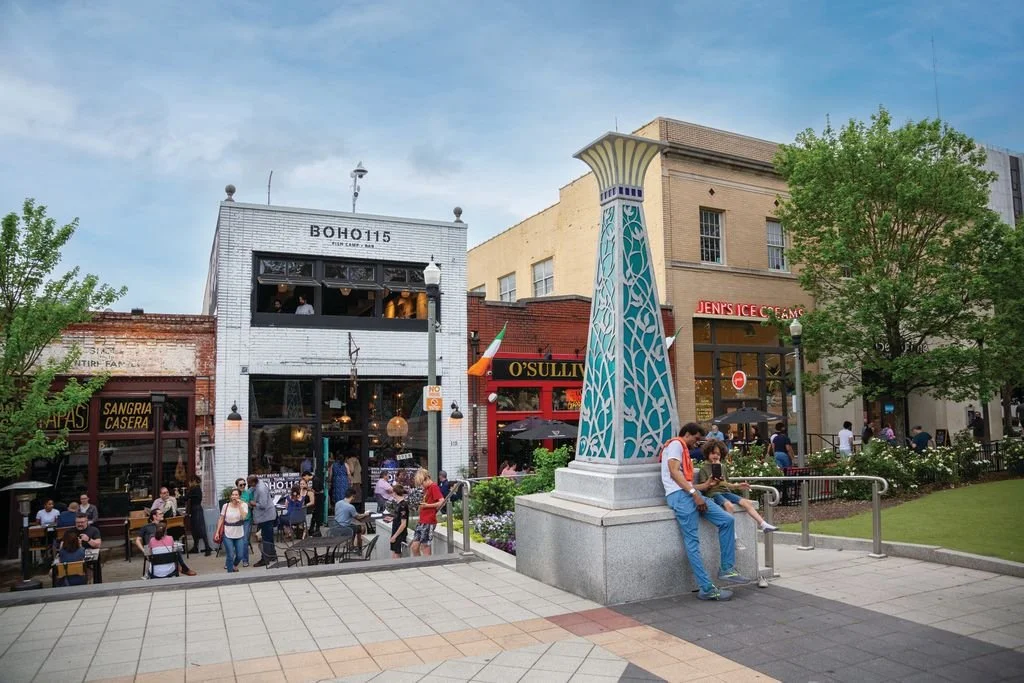
Decatur
Decatur at a Glance
Decatur is a small independent city built around a genuinely lively downtown square, with five distinct business districts and a personality strong enough that residents say "I live in Decatur" the way other people announce a title. Homes here typically run $500,000 to over a million, ranging from craftsman bungalows to brick traditionals and newer infill.
The important thing to know upfront: "Decatur" as a mailing address and "City of Decatur" as an actual municipal boundary are two different things. Plenty of homes carry a Decatur ZIP code but sit outside city limits in unincorporated DeKalb, with different taxes, schools, and services. That distinction matters more here than almost anywhere else on this list.
A Little Decatur History
Founded in the early 1800s as the seat of DeKalb County, Decatur grew up around its courthouse square, and that square is still the beating heart of the city two centuries later. Streetcar-era neighborhoods filled in around downtown, and what exists today is a compact, walkable city with five recognized business districts: the Square, Old Depot District, West Ponce, Oakhurst Village, and East Decatur Station.
Homes and Streets
Bungalows, cottages, Foursquares, and brick traditionals dominate the older streets, with condos, townhomes, and contemporary infill filling in closer to downtown. Oakhurst has its own distinct feel from West Ponce, which has its own feel from the streets right off the Square, this is a city where the specific pocket matters as much as the city name itself.
Daily Life and Getting Around
Downtown Decatur centers on the square, restaurants, shops, public events, and a MARTA station that makes a car genuinely optional for a lot of daily life. Oakhurst Village and West Ponce add their own dining and neighborhood businesses within easy reach.
What It's Really Like to Live in Decatur
Mornings here start with the sound of a city that's already awake, coffee shops filling up, dog walkers heading toward the square, MARTA riders catching the train downtown. It's a walk-to-things kind of pace, even on a weekday.
Weekends are built around the Square almost by default, a farmers market, a festival, or just an excuse to grab dinner within stumbling distance of home. Decatur throws itself into events, the Book Festival, the Arts Festival, Porchfest, so much so that locals plan around the calendar rather than being surprised by it.
Evenings bring porch conversations and short walks that turn into running into three different neighbors. This is a city built for people who want their errands, their social life, and their commute all within the same square mile, and once you've lived that way, it's hard to go back to needing a car for everything.
Signature Events and Neighborhood Traditions
The Decatur Book Festival and Decatur Arts Festival are the city's marquee events, drawing crowds from well beyond Decatur itself. Oakhurst Porchfest turns an ordinary Saturday into a neighborhood-wide concert, and concerts on the Square keep the summer calendar full.
Schools That Generally Serve Decatur
Homes inside the City of Decatur are served by City Schools of Decatur, a small, high-performing district with a strong reputation, feeding into Decatur High School. Homes with a Decatur mailing address outside city limits fall under DeKalb County School District instead, a real difference worth confirming before you fall for a house. Check the district's official School Boundary Map for City Schools of Decatur, or the DeKalb County School District locator if the address falls outside city limits.
Frequently Asked Questions
Is Decatur a good place to buy in 2026?
Yes, particularly for buyers who want a walkable, independent city with real civic identity and a strong school system. Well-located homes move fast, so being prepared to act matters as much as knowing what you want.
Is Decatur walkable?
Genuinely, especially around downtown, Oakhurst, and West Ponce. It's one of the more car-optional places on this list.
What's the difference between "Decatur" and the "City of Decatur"?
A real one. City of Decatur homes get City Schools of Decatur and city services, homes with a Decatur mailing address outside the line get DeKalb County schools and county services instead. Worth confirming before you get attached.
What's the biggest draw for buyers?
A city that feels genuinely lived-in, top-tier schools, a walkable downtown, and a community that shows up for its own events. That combination is rare enough to explain the competition for homes here.
Last updated September 2026. Verify property details, schools, taxes, zoning, transportation, and permits independently.
Let’s discuss your home buying journey in Decatur
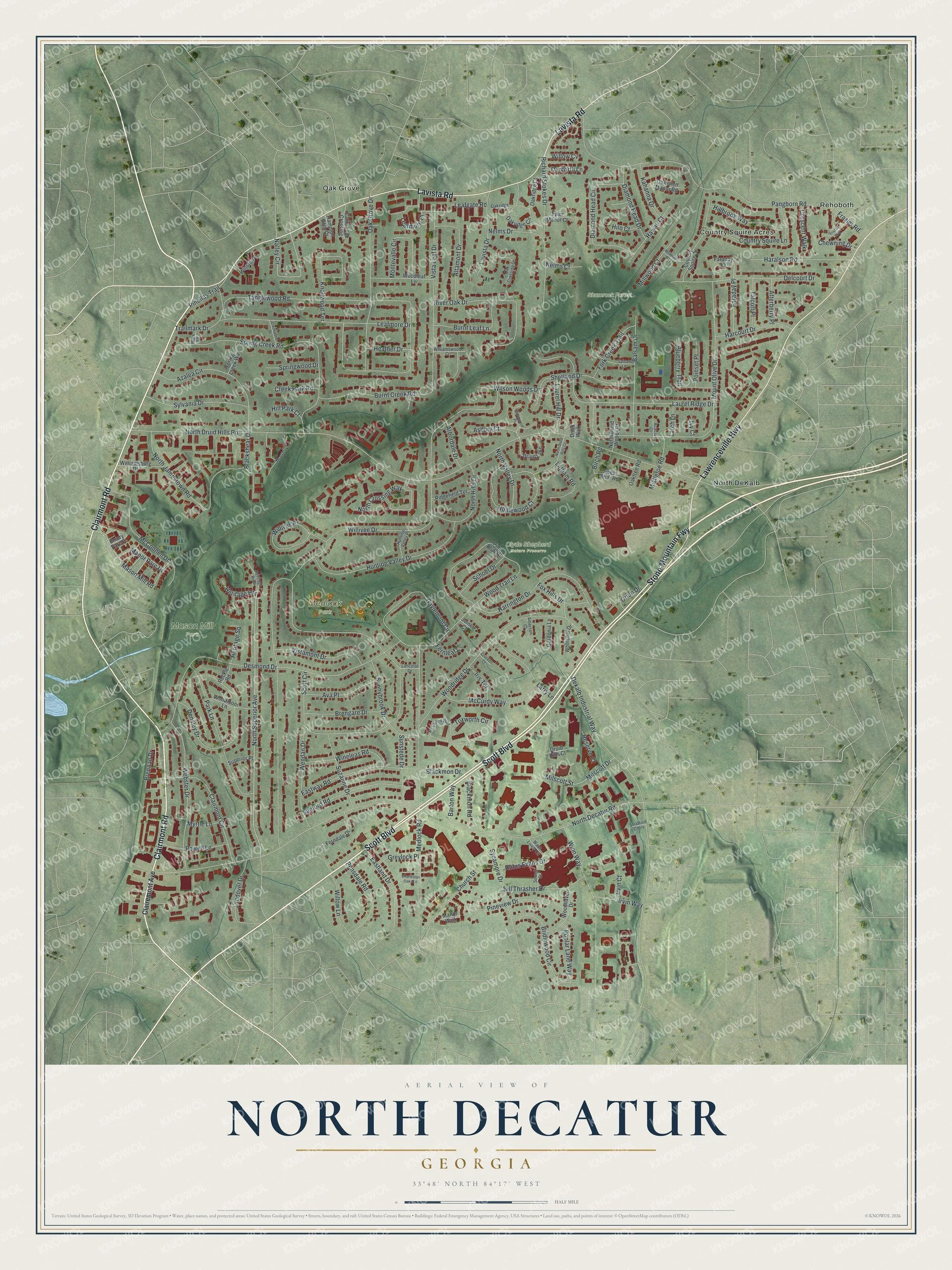
North Decatur
North Decatur at a Glance
North Decatur trades a single village center for something quieter, established residential streets, mid-century ranches, and a location that puts Emory, the CDC, and Downtown Decatur all within easy reach. Homes typically run $400,000 to $800,000+, with real variety in lot size and architecture from one street to the next.
Most of North Decatur is unincorporated DeKalb County, not the City of Decatur itself, despite what the name and mailing address suggest. That distinction shapes taxes, services, and schools, worth knowing early rather than discovering it at closing.
A Little North Decatur History
Much of the area grew up through postwar suburban expansion, new roads connecting Decatur, Emory, and northern DeKalb County, with homes filling in through the 1950s and '60s. Commercial corridors followed along North Decatur Road, Clairmont Road, and Scott Boulevard, and more recent redevelopment has added apartments and mixed-use projects to the mix.
Homes and Streets
Brick ranches, split-levels, and cottages from the 1940s through '60s make up most of the housing stock, on lots that tend to be a bit more generous than denser intown neighborhoods. Newer infill and some townhomes and condos fill in around the edges.
Daily Life and Getting Around
Downtown Decatur, Emory University, the CDC, and DeKalb Farmers Market are all close by, along with shopping along North Decatur Road. Most errands still involve a car, though certain pockets offer walkable access to shopping or transit.
What It's Really Like to Live in North Decatur
Mornings here are unhurried, a lot of tree cover, quiet streets, and neighbors out walking dogs before the workday starts. This isn't a neighborhood built around a commercial strip, so daily life has a settled, residential rhythm rather than a village buzz.
Weekends often mean a short drive into Decatur or Emory Village for dinner or errands, or a trip to DeKalb Farmers Market for the kind of grocery run that turns into an afternoon. It's a neighborhood for people who want easy access to everything without needing to live in the middle of it.
Evenings are genuinely quiet, porch lights, streets that stay calm well past dark. This suits buyers who want more space and a slower pace but still want Decatur and Emory a short drive away rather than a long commute.
Signature Events and Neighborhood Traditions
North Decatur doesn't have its own festival circuit, but it sits close enough to Downtown Decatur's Book Festival, Arts Festival, and Oakhurst Porchfest that residents get the benefit without the crowds parking on their street.
Schools That Generally Serve North Decatur
Most addresses fall under DeKalb County School District, commonly feeding Fernbank or Laurel Ridge Elementary, then Druid Hills Middle and Druid Hills High. Some homes closer to the city line may fall under City Schools of Decatur instead, worth checking directly through the DeKalb County School District locator or the City Schools of Decatur boundary map.
Frequently Asked Questions
Is North Decatur a good place to buy in 2026?
Yes, especially for buyers who want proximity to Decatur and Emory with more breathing room than denser intown neighborhoods offer. A wider range of lot sizes and housing styles means more flexibility on budget too.
Is North Decatur walkable?
Some pockets are, closer to shopping or transit. Most of the area leans car-friendly rather than car-optional.
What's the difference between North Decatur and the City of Decatur?
A real one. Most of North Decatur is DeKalb County, not the City of Decatur, meaning different schools, taxes, and services depending on the exact address.
What's the biggest draw for buyers?
Space and access without the price tag of denser intown neighborhoods, plus a genuinely quiet, established feel that's harder to find closer to downtown.
Last updated September 2026. Verify property details, schools, taxes, zoning, transportation, and permits independently.
Thinking about buying or selling in North Decatur?
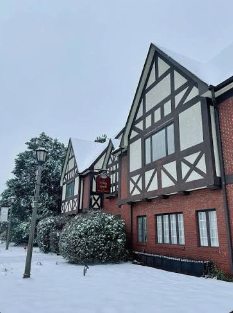
Avondale Estates
Avondale Estates at a Glance
Avondale Estates is a small independent city with a genuinely distinctive Tudor-style downtown, planned deliberately in the 1920s and named for Shakespeare's Stratford-upon-Avon. Homes typically run $400,000 to $700,000+, ranging from original cottages and Tudors to ranches, split-levels, and newer construction.
It's its own incorporated city, separate from Decatur, though plenty of nearby addresses share a Decatur mailing address, worth sorting out early since it affects taxes and schools.
A Little Avondale Estates History
The city started as a planned development in the 1920s, its Tudor Revival downtown architecture wasn't an accident, developers deliberately built the whole thing around an English village aesthetic, right down to the Stratford-upon-Avon name. Nearly a century later, that same downtown still anchors the city's identity, now filled with restaurants, breweries, and local shops instead of whatever a 1920s planned city originally imagined.
Homes and Streets
Cottages, Tudor Revival houses, brick ranches, split-levels, and traditional homes make up most of the residential streets, with townhomes and newer infill filling in around the edges. The architecture has more range than the storybook downtown might suggest.
Daily Life and Getting Around
The Tudor-style downtown brings restaurants, breweries, and local shops within walking distance for a lot of residents. Willis Park and Lake Avondale add genuine green space, and Downtown Decatur is close enough for anything the smaller downtown doesn't cover.
What It's Really Like to Live in Avondale Estates
Mornings here have a small-town rhythm that's genuinely rare this close to Atlanta, dog walkers circling Lake Avondale, neighbors chatting outside the coffee shop, a downtown that feels sized for people rather than traffic. It's the kind of place where errands double as social time.
Weekends lean toward the downtown itself, a stroll past the breweries, a stop at Willis Park, maybe a lake walk if the weather's decent. The city's small enough that residents run into the same faces again and again, which either sounds wonderful or like a lot depending on what you're looking for.
Evenings are quiet and genuinely charming, that Tudor downtown lit up at dusk is more storybook than staged. This is a neighborhood for people who want a real sense of place, not just a house, a city small enough to feel like a village, with Decatur and Atlanta close enough when you need more.
Signature Events and Neighborhood Traditions
Avondale Estates Weekend of Art brings the city's small size to life with local artists, music, and a genuinely community-driven feel. Seasonal city festivals and events hosted by local businesses fill out the rest of the calendar.
Schools That Generally Serve Avondale Estates
Most addresses feed Avondale Elementary, Druid Hills Middle, and Druid Hills High within DeKalb County School District. The Museum School of Avondale Estates is a public charter option with its own separate admissions process, worth asking about directly rather than assuming zoning alone gets you in. Confirm through the DeKalb County School District locator.
Frequently Asked Questions
Is Avondale Estates part of Decatur?
No, it's its own incorporated city, though it's right next door and plenty of nearby homes share a Decatur mailing address.
What's the biggest draw for buyers?
A genuinely distinctive downtown and small-town feel that's hard to find this close to Atlanta, paired with real green space at Lake Avondale and Willis Park.
Is Avondale Estates walkable?
The downtown core is, restaurants, breweries, and shops all within an easy walk for a lot of residents. Outer residential streets lean more car-friendly.
Last updated September 2026. Verify property details, schools, taxes, zoning, transportation, and permits independently.
Want to know more about Avondale Estates?
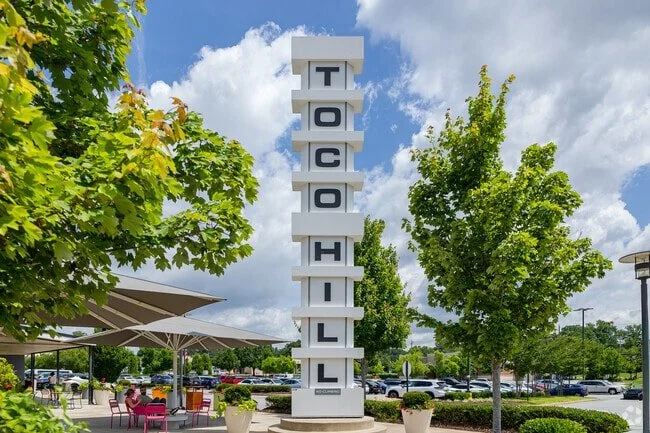
Toco Hills, Sagamore Hills & Briarcliff,
(aka North Druid Hills)
At a Glance
This corner of north DeKalb County near Emory, the CDC, and I-85 covers four closely related neighborhoods, Toco Hills, Sagamore Hills, Briarcliff Heights, and Briarcliff Woods, often referred to collectively as North Druid Hills or simply Briarcliff by locals. Homes typically run $400,000 to $900,000+, mid-century ranches and split-levels on genuinely wooded lots, larger than what a lot of intown neighborhoods offer.
Toco Hills specifically anchors the area's commercial life, home to the shopping center that gives the neighborhood its name, and it's where Alison herself lives. Each of the four neighborhoods has its own street pattern and character, worth comparing directly rather than treating the area as one undifferentiated block.
A Little History
Most of this area developed after World War II as Atlanta's suburban growth pushed north, new roads and easy car access turning former farmland into brick ranches and split-levels through the 1950s and '60s. Toco Hills grew around its namesake shopping center, while Sagamore Hills and the Briarcliff neighborhoods filled in along the surrounding corridors, each keeping a distinctly residential, tree-covered feel even as the area built out.
Homes and Neighborhoods
Toco Hills mixes brick ranches, split-levels, and renovated mid-century homes near its commercial core. Sagamore Hills leans wooded and residential, ranches and expanded homes on quieter streets away from the main roads. Briarcliff Heights and Briarcliff Woods both offer larger lots and mid-century architecture, with Briarcliff Woods in particular known for leafy, established streets and real space between houses.
Daily Life and Getting Around
Toco Hills Shopping Center covers groceries, restaurants, and everyday errands without much of a drive. Emory, the CDC, Mason Mill Park, and the South Peachtree Creek Trail are all close by, and I-85 access makes commuting north or into the city genuinely manageable.
What It's Really Like to Live Here
This neighborhood is tree-shaded and built for people who want space, not a village center to walk to. Dog walkers and joggers use Mason Mill Park and the Peachtree Creek Trail rather than a downtown strip, and the pace is unmistakably residential.
Weekends mean a quick trip to Toco Hills Shopping Center for groceries or dinner, or a walk along the creek trail if the weather cooperates. The Atlanta Greek Festival each fall turns the area into a genuine destination for a weekend, one of the few times this quietly residential pocket draws a crowd from across the city.
Evenings are settled and calm. This is a neighborhood for buyers who want established, tree-covered streets and easy highway access over walkability, trading a village center for genuine space and quiet.
Signature Events and Local Traditions
The Atlanta Greek Festival, hosted at the Annunciation Greek Orthodox Cathedral on Clairmont Road, is the area's standout annual event, food, music, dancing, and cathedral tours drawing visitors well beyond the immediate neighborhood.
Schools That Generally Serve This Area
School zones vary sharply across these four neighborhoods. Sagamore Hills and much of Briarcliff Woods commonly feed Sagamore Hills Elementary, Henderson Middle, and Lakeside High. Toco Hills and Briarcliff Heights may fall under different elementary zones, feeding either Druid Hills Middle and High or Henderson Middle and Lakeside High depending on the exact address. Confirm through the DeKalb County School District locator, this is not an area where a neighborhood name tells you the school.
Frequently Asked Questions
Are Toco Hills, Sagamore Hills, and Briarcliff Heights and Woods basically the same neighborhood?
Related, not identical. They share geography and a similar housing era, but street patterns, lot sizes, and school zones differ enough that comparing specific homes matters more than the area name.
Is this the same as North Druid Hills?
Yes, North Druid Hills is the broader name for this whole area, and locals use it interchangeably with Briarcliff and Toco Hills depending on who you ask.
What's the biggest draw for buyers?
Space and quiet. Larger, wooded lots than most intown neighborhoods offer, with genuinely easy highway access and Emory close by, a real alternative for buyers who want room to breathe.
Is the area walkable?
Not especially, this is a neighborhood built around driving to Toco Hills Shopping Center or the highway rather than a walkable village core. What it trades in walkability, it makes up in lot size and quiet.
As a resident of Toco Hills myself, I know this pocket of Atlanta better than most, let's talk about what actually fits your life here.
Last updated September 2026. Verify property details, schools, taxes, zoning, transportation, and permits independently.
Let’s discuss your real estate journey